IC Markets ZHV Home

Category

Market Analysis

7 articles

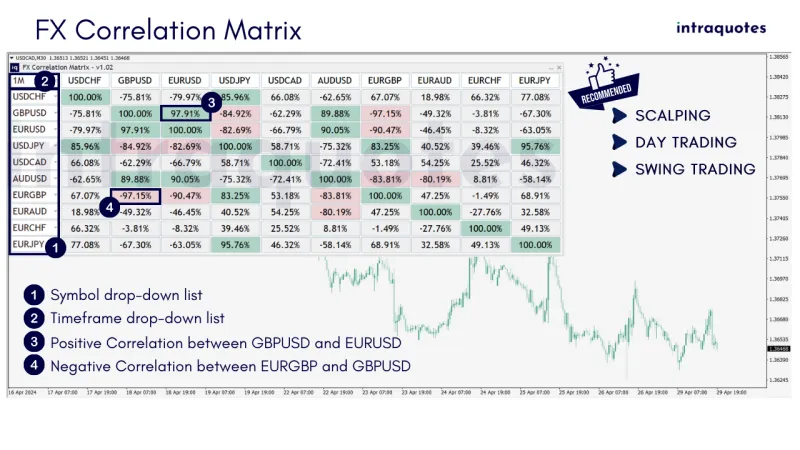
Synchronized to Fail: How Currency Pairs Lose Their Independence Under Market Stress

Synchronized to Fail: How Currency Pairs Lose Their Independence Under Market Stress

Forex pairs that ordinarily respond to separate economic drivers can suddenly move in lockstep when stress grips the market, quietly dismantling the diversification logic behind a trader's book. Understanding why these correlations spike—and how to spot the warning signs before they do—can mean the difference between a managed drawdown and an unexpected cascade. This analysis examines the mechanics of stress-induced correlation and offers concrete techniques for US traders to protect their posit

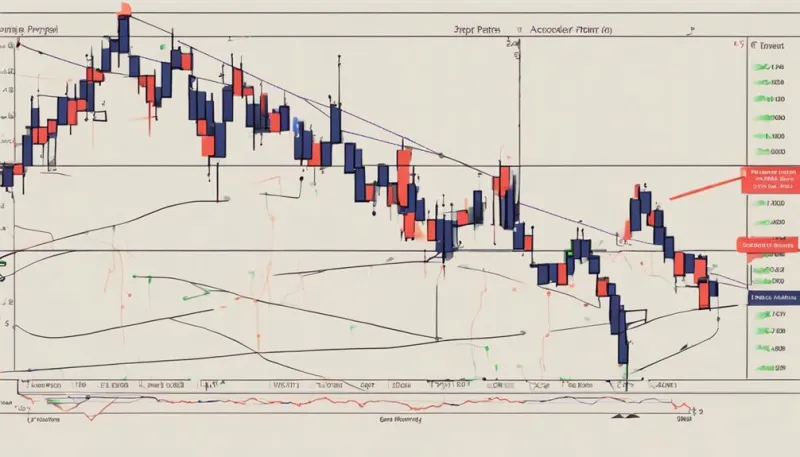
The Invisible Scoreboard: How Institutional Traders Read Order Flow to Stay One Step Ahead

The Invisible Scoreboard: How Institutional Traders Read Order Flow to Stay One Step Ahead

Order flow analysis is one of the most powerful — and least understood — disciplines in professional trading. This article breaks down how institutional participants use volume profile data and Level 2 order books to identify predictable retail behavior, and explains how individual traders can begin applying these same techniques to position themselves ahead of stop-loss cascades.

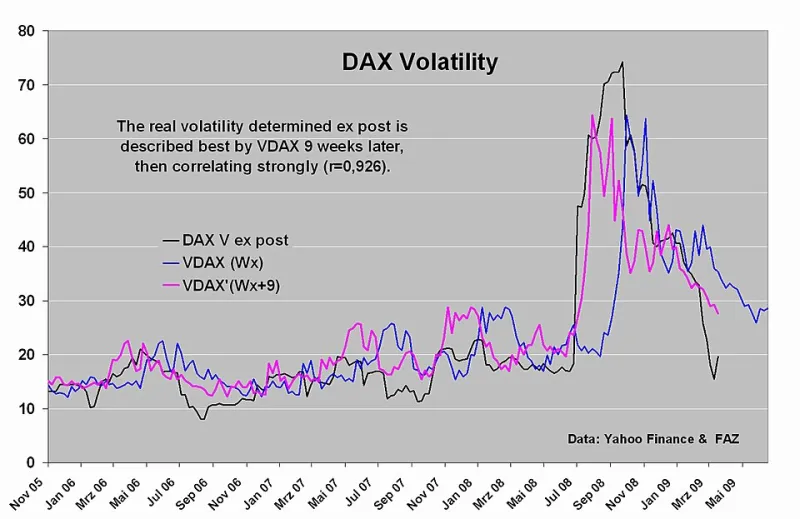
Shifting Ground: How to Detect Market Regime Changes Before the Rest of the Room Does

Shifting Ground: How to Detect Market Regime Changes Before the Rest of the Room Does

Markets do not move in a single mode indefinitely—they cycle between trending, ranging, and high-volatility regimes, and the transitions between these states are where unprepared traders suffer the most damage. Recognizing the early warning signals of a regime shift, often hours or days before the change fully materializes, gives traders a measurable advantage in adjusting their strategies and protecting open positions. This article breaks down the specific technical and behavioral clues that pr

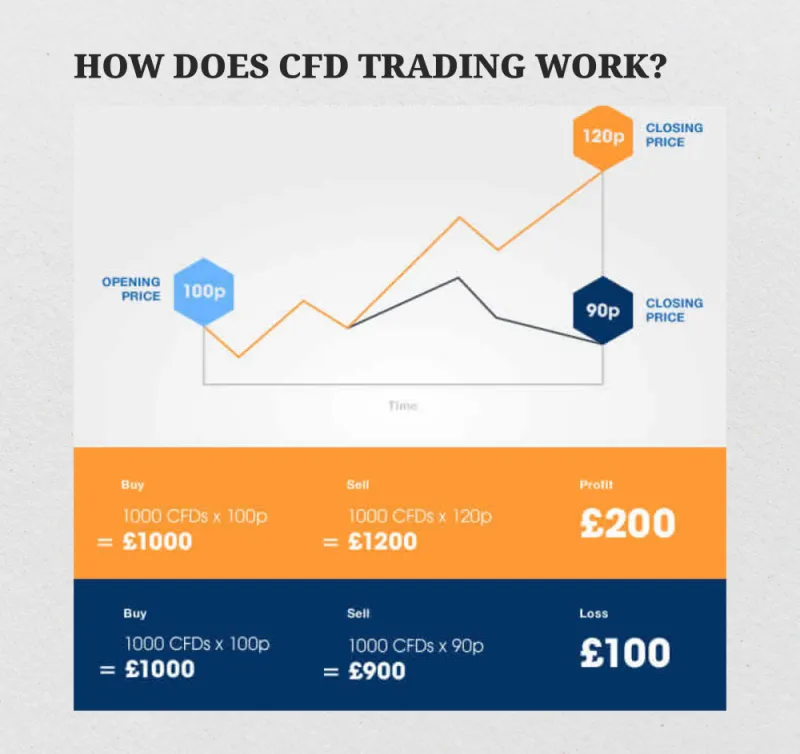
Leverage Is Not Your Problem: What US CFD Traders Actually Get Wrong About Risk

Leverage Is Not Your Problem: What US CFD Traders Actually Get Wrong About Risk

Most retail CFD traders in the United States fixate on leverage ratios as the primary source of account risk, while overlooking the structural factors that actually determine survival: position sizing psychology, margin cascade dynamics, and overnight gap exposure. This investigative breakdown reveals how two traders using identical leverage can experience dramatically different outcomes—and why disciplined structure matters far more than the number on your broker's disclosure page.